

7 Game-changing Trends in Structural Engineering
The built environment, which consists of construction plus real estate, represents almost $6 trillion in U.S. GDP per year. It is the largest industry in…
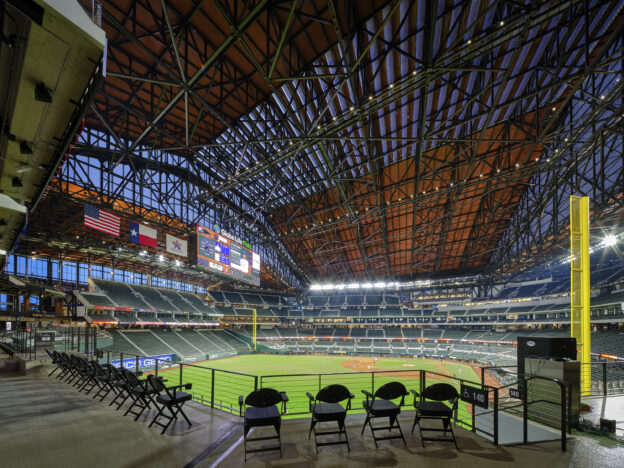
The built environment, which consists of construction plus real estate, represents almost $6 trillion in U.S. GDP per year. It is the largest industry in…
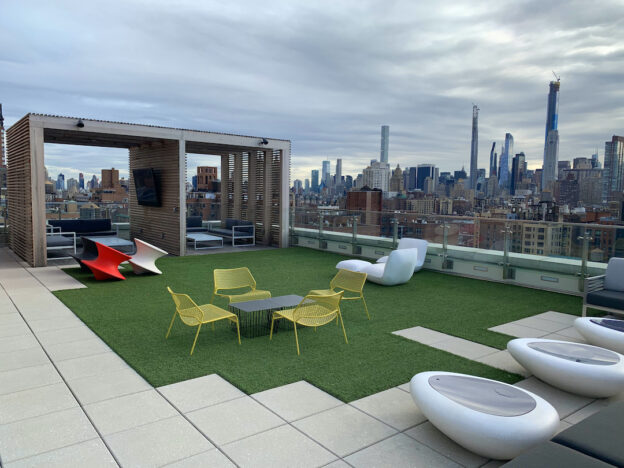
COVID-19 laid bare shortcomings that many city-dwellers face, as stay-at-home guidelines confined people to apartments, often without access to safe outdoor spaces. A priority that…
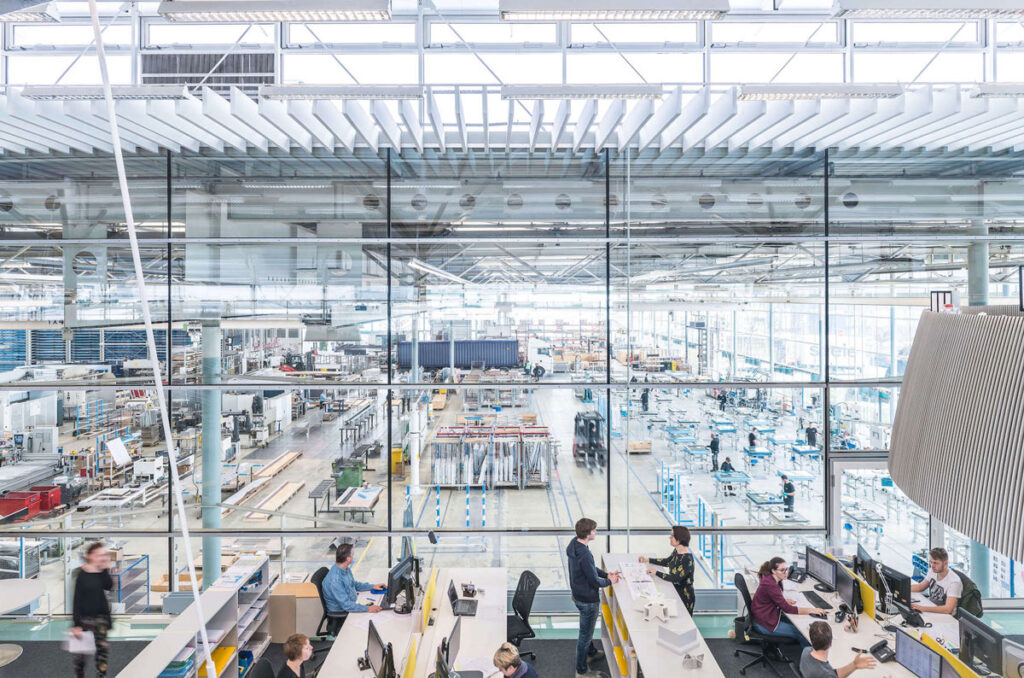
Advances in glazing materials and glass building systems offer a seemingly unlimited horizon for not only glass performance, but also for the size and extent…
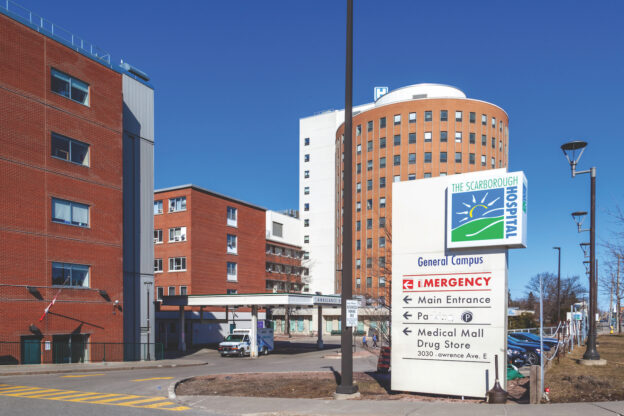
This course defines the elements of hospital campus access that are essential to promoting the efficient, stress-free movement of patients, staff, family, and visitors. Campus…
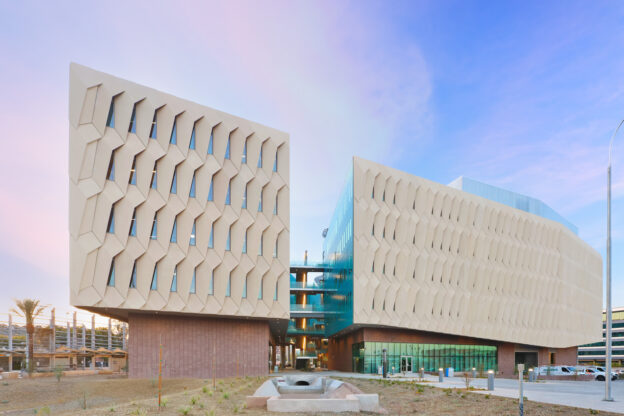
New technologies, innovations, and tools are opening doors for building teams interested in better and more socially responsible design. Supporting goals from energy efficiency and…
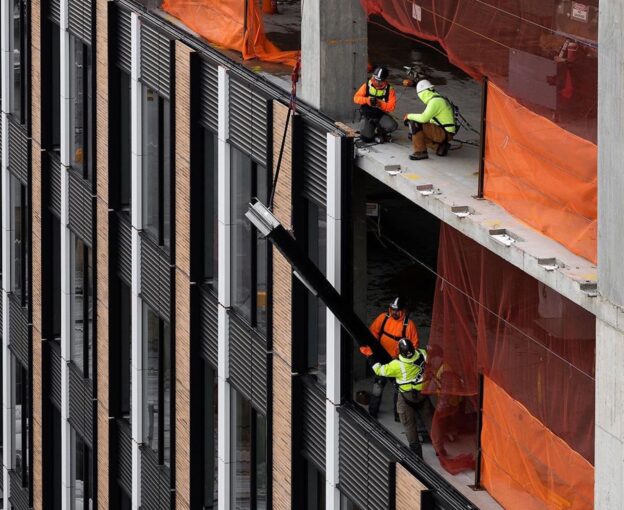
From a distance, today’s building innovations in cladding performance, aesthetics, and construction appear unconstrained and quite varied. Material mixing is creating newly expressive façades, and…
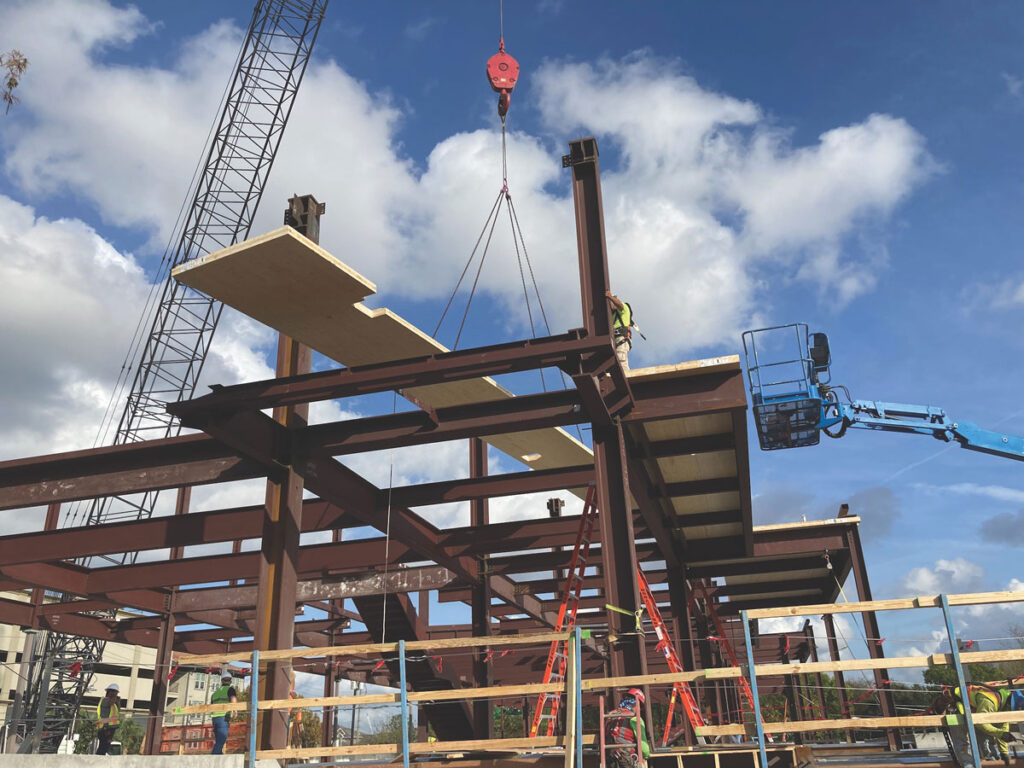
Faster delivery of buildings isn’t always associated with sustainability benefits or long-term value, but things are changing. An instructive case is in the development of…
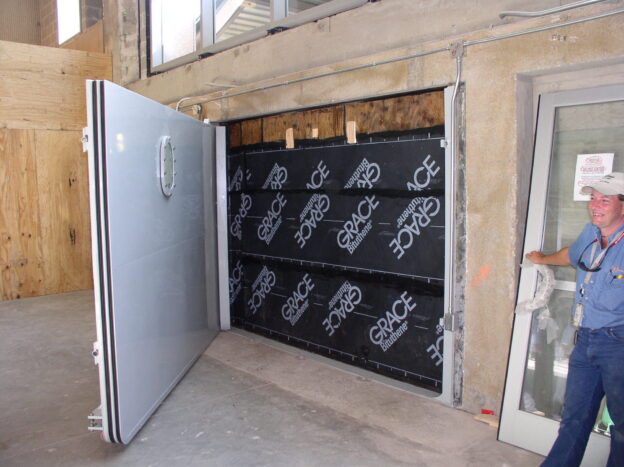
Historically, flooding is one of the costliest natural disasters in the United States on an annual basis. Flood Insurance Rate Maps (FIRMs) attempt to address…
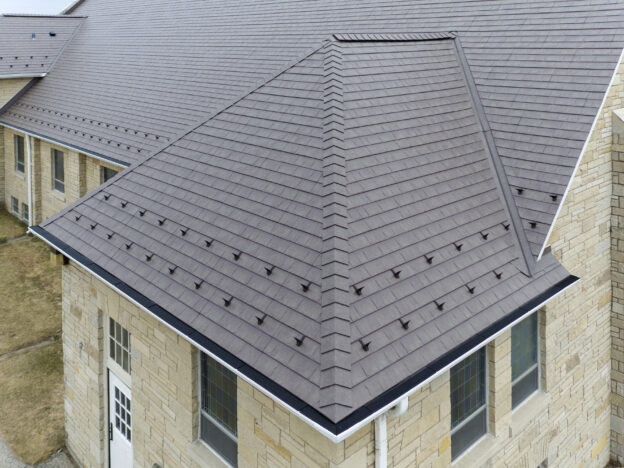
New ideas in design and constructability are radically changing how metal systems are used as roofing for commercial and institutional buildings. Behind the investment in…
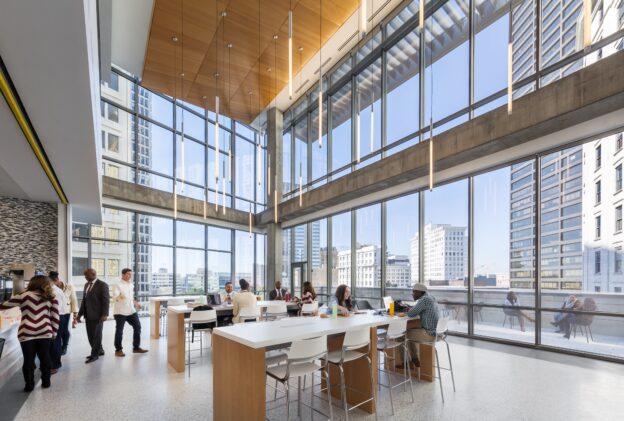
This course describes the multiple challenges in designing high performance fenestration systems for building envelopes meeting architectural desig…