By Robyn M. Feller, Contributing Editor
Healthcare facilities are undergoing a fundamental transformation as digital technologies become deeply integrated into the design and operation of care environments. Artificial intelligence, automation, robotics, real-time location systems (RTLS), and advanced building analytics are reshaping how hospitals function, creating highly connected ecosystems where clinical care, building operations, and data infrastructure work together seamlessly.
This course explores how healthcare facilities are evolving into technology-enabled environments that depend on robust digital infrastructure to support patient care, operational efficiency, and long-term resiliency. Participants will examine the growing convergence of clinical systems, smart building technologies, and facility operations, and how these trends are influencing planning, design, and construction decisions across the healthcare sector.
Learners will gain insight into the critical infrastructure requirements needed to support emerging technologies, including power distribution, data networks, cybersecurity, and adaptable building systems. The course also examines how automation and connected technologies affect spatial planning, workflow optimization, and the experiences of patients, caregivers, and facility staff.
Through expert perspectives and real-world examples, this course provides a practical framework for designing healthcare facilities that are flexible, resilient, and prepared to accommodate rapidly evolving technologies and operational demands.
Learning Objectives
After completing this course, participants will be able to:
- Describe how the convergence of digital technologies, clinical systems, and building infrastructure is influencing healthcare facility design.
- Identify key infrastructure requirements, including power, data, and resiliency systems, needed to support AI-driven operations, robotics, and connected healthcare environments.
- Evaluate how emerging technologies, including automation and smart building systems, impact spatial planning, workflow efficiency, and patient and staff experience.
- Explain strategies for integrating cybersecurity, flexibility, and long-term adaptability into healthcare facility design to support evolving technologies and operational needs.
About the Author
Robyn M. Feller is a writer and editor specializing in architecture, design, and construction, with a focus on developing continuing education content for industry professionals. With extensive experience crafting insightful articles and technical features, she brings a deep understanding of innovative building strategies, sustainability trends, and real-world project practices to her work.
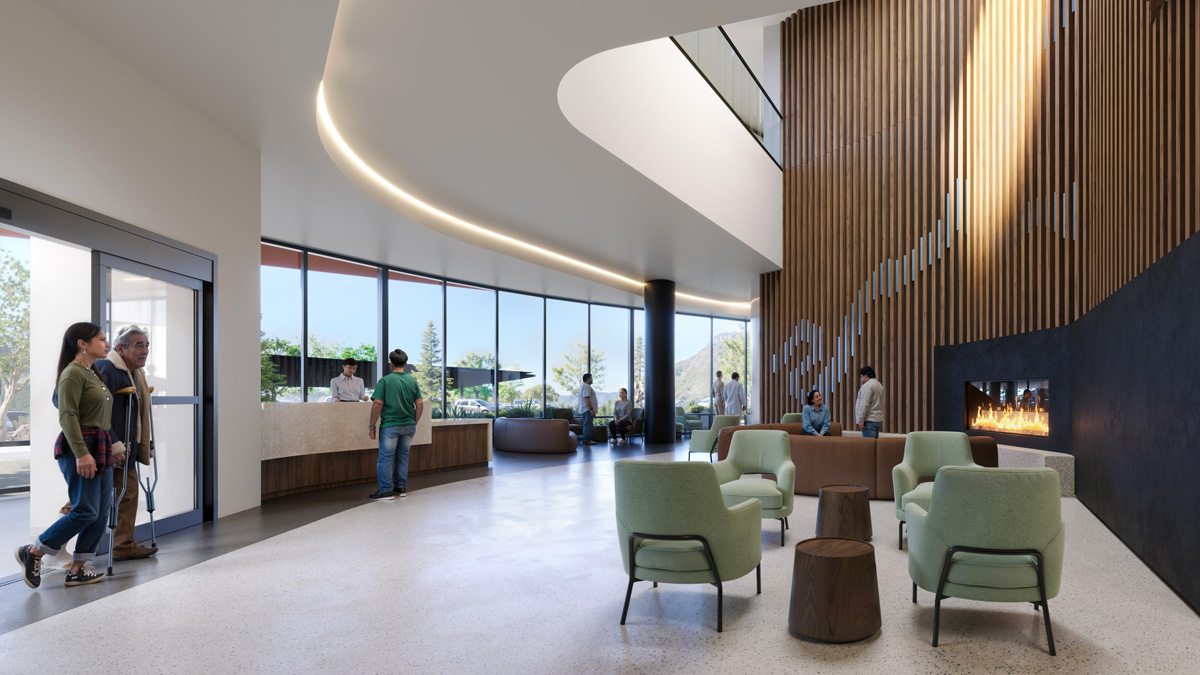
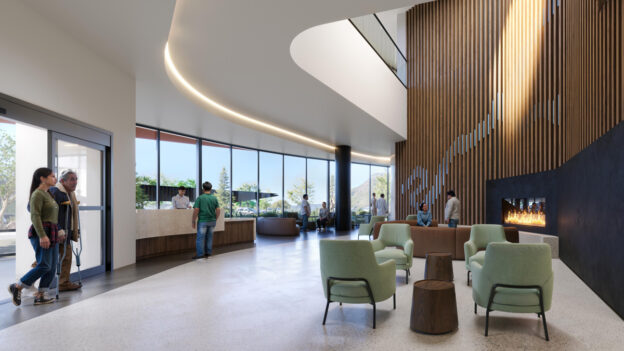
Photo credit: SmithGroup
Course Includes
- 1 Lesson
- 1 Quiz
- Course Certificate

Credits: 1 AIA LU|HSW
Instructional Delivery Method: On-Demand: Print/Other
Prerequisites: None
Program Level: Introductory
Advance learner preparation: N/A
AIA CES program approval expiration date: 06/02/2029
AIA CES Provider statement: Endeavor Business Media is a registered provider of AIA-approved continuing education under Provider Number 10084542. All registered AIA CES Providers must comply with the AIA Standards for Continuing Education Programs. Any questions or concerns about this provider or this learning program may be sent to AIA CES (cessupport@aia.org or (800) AIA 3837, Option 3). This learning program is registered with AIA CES for continuing professional education. As such, it does not include content that may be deemed or construed to be an approval or endorsement by the AIA of any material of construction or any method or manner of handling, using, distributing, or dealing in any material or product. AIA continuing education credit has been reviewed and approved by AIA CES. Learners must complete the entire learning program to receive continuing education credit. AIA continuing education Learning Units earned upon completion of this course will be reported to AIA CES for AIA members. Certificates of Completion for both AIA members and non-AIA members are available upon request.

Credits: 1 AIA LU|HSW
Instructional Delivery Method: On-Demand: Print/Other
Prerequisites: None
Program Level: Introductory
Advance learner preparation: N/A
AIA CES program approval expiration date: 06/02/2029
AIA CES Provider statement: Arkance is a registered provider of AIA-approved continuing education under Provider Number 10145787. All registered AIA CES Providers must comply with the AIA Standards for Continuing Education Programs. Any questions or concerns about this provider or this learning program may be sent to AIA CES (cessupport@aia.org or (800) AIA 3837, Option 3). This learning program is registered with AIA CES for continuing professional education. As such, it does not include content that may be deemed or construed to be an approval or endorsement by the AIA of any material of construction or any method or manner of handling, using, distributing, or dealing in any material or product. AIA continuing education credit has been reviewed and approved by AIA CES. Learners must complete the entire learning program to receive continuing education credit. AIA continuing education Learning Units earned upon completion of this course will be reported to AIA CES for AIA members. Certificates of Completion for both AIA members and non-AIA members are available upon request.

Credits:
This CEU is registered with the Interior Design Continuing Education Council (IDCEC) for continuing education credits.